Top Benefits of Alumina Ceramic Radial Bearing in Modern Applications?
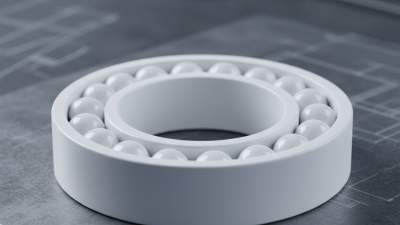
In today’s high-performance world, the Alumina Ceramic Radial Bearing is gaining recognition. Engineers and designers are increasingly turning to this innovative component in various applications. Its unique properties set it apart as a reliable choice.
The Alumina Ceramic Radial Bearing offers superior wear resistance and lightweight design. These bearings can operate under extreme temperatures and corrosive environments. This makes them ideal for industries like aerospace, automotive, and medical devices. However, there are challenges. The high manufacturing costs or the fragility of ceramic materials can be drawbacks. Users must weigh these factors carefully.
Despite these considerations, the benefits are compelling. The strength-to-weight ratio of Alumina Ceramic Radial Bearings enhances overall efficiency. Their low thermal conductivity contributes to better performance in demanding situations. As we explore their top benefits, it is crucial to understand both the strengths and limitations in modern applications.
Benefits of Alumina Ceramic Radial Bearings in High-Speed Applications
Alumina ceramic radial bearings offer key advantages in high-speed applications. Their exceptional hardness provides greater wear resistance compared to traditional materials. This durability is vital in environments where high speeds generate heat. Alumina ceramics can operate at elevated temperatures without degradation, ensuring reliability during intense usage.
In lightweight applications, these bearings excel. Their low density reduces overall system weight, improving energy efficiency. This is especially beneficial in aerospace and automotive sectors, where every gram counts. High-speed machinery benefits significantly from the reduced inertia, leading to faster acceleration and improved performance.
Tips for maximizing the benefits of alumina ceramic bearings include regular maintenance. Keeping them clean enhances their lifespan. Additionally, it is crucial to monitor operating conditions. Any deviation could lead to premature failure. Remember, understanding the application environment is key to achieving optimal performance.
Enhanced Wear Resistance of Alumina Ceramic in Extreme Environments
Alumina ceramic radial bearings are increasingly popular in various machinery and equipment. One standout feature is their enhanced wear resistance. This characteristic is particularly valuable in extreme environments, where traditional materials often fail. Aluminum oxide, the main component of alumina ceramics, provides significant durability against abrasion and corrosion.
In harsh conditions, such as high temperatures or aggressive chemicals, these bearings outperform many metal alternatives. The porous structure of alumina ceramic aids in reducing friction. In turn, this leads to less heat generation and extended operating life. Additionally, alumina ceramics are lightweight, which can improve overall system efficiency. However, not all alumina ceramics are created equal. The manufacturing process plays a critical role in determining their performance.
While these ceramics show remarkable resistance to wear, they can be brittle under shock loads. Users must be aware of this limitation. Effective design and careful handling are essential to maximize the benefits. The combination of lightweight materials and exceptional wear resistance could revolutionize various industries, from aerospace to pharmaceuticals. Yet, companies must invest in proper testing to ensure suitability for their specific applications.
Top Benefits of Alumina Ceramic Radial Bearing in Modern Applications
This chart illustrates the enhanced wear resistance of alumina ceramic radial bearings under various extreme environments, demonstrating their superior performance compared to traditional materials.
Cost Efficiency: Longevity and Reduced Maintenance of Ceramic Bearings
Alumina ceramic radial bearings present significant cost efficiency in various modern applications. These bearings demonstrate exceptional longevity compared to traditional materials. Their resistance to wear and corrosion extends service life, minimizing the frequency of replacements. When components last longer, organizations can better manage their maintenance budgets.
Reduced maintenance is another crucial advantage. With minimal lubrication requirements, ceramic bearings save time and resources. This efficiency reduces labor costs and potential downtime. However, not all applications benefit equally from ceramic bearings. Specific environments might demand adjustments to installation practices, which could complicate initial setups.
The upfront investment in alumina ceramic bearings can sometimes appear higher than standard options. Companies must weigh this against long-term gains. Understanding each application’s unique needs is vital. While the performance benefits are clear, it is essential to assess whether they genuinely align with specific operational demands.
Thermal Stability of Alumina Ceramic Bearings Under Varying Conditions
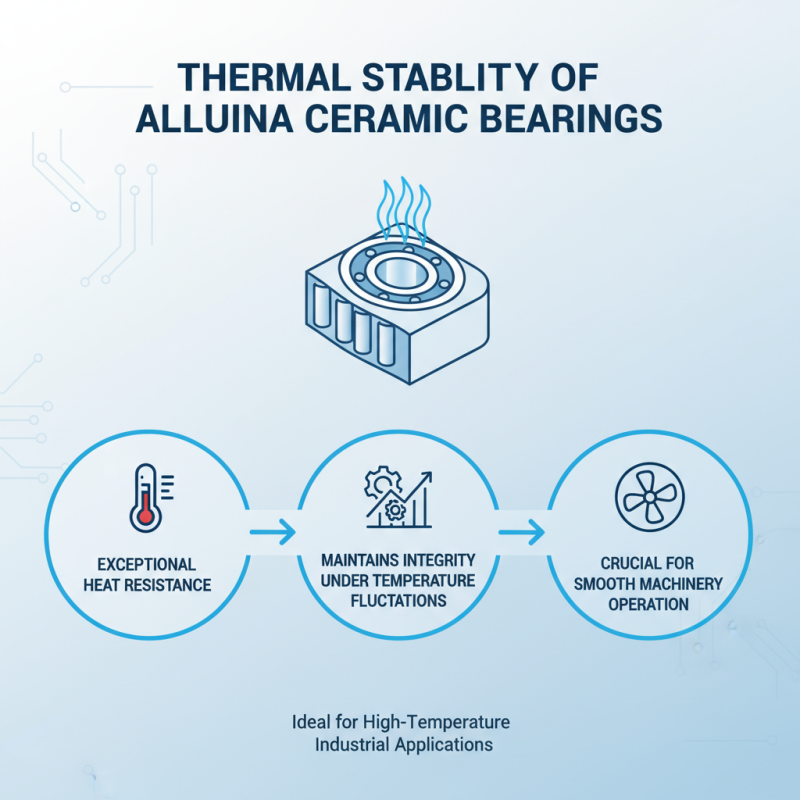
Alumina ceramic bearings are known for their exceptional thermal stability. They perform well under various temperatures. In industries where temperature fluctuations are common, these bearings can maintain their integrity. This is crucial for ensuring smooth machinery operation.
One major benefit of alumina ceramic bearings is their resistance to thermal expansion. Unlike traditional materials, they suffer less damage from heat. This stability allows for prolonged use in high-temperature environments. Operators can trust these components to withstand stresses that would damage other materials.
**Tip:** When choosing a bearing, consider the temperature range of your application. Overheating can compromise performance. Regular inspections help assess wear and heat resistance.
Another aspect worth noting is the impact of thermal cycling. Repeated heating and cooling can lead to micro-cracks in other types of bearings. However, alumina ceramics exhibit superior durability, reducing maintenance needs. This can save both time and costs over the product’s lifespan.
**Tip:** Monitor the operating conditions closely. Ensure that the bearings are suited to your specific needs. Any mismatch could lead to reduced performance.
The use of alumina ceramic bearings is continuously expanding. Their thermal stability makes them suitable for various modern applications. As industries evolve, these bearings will likely play a key role in enhancing overall efficiency.
Environmental Impact: Sustainability of Alumina in Bearing Manufacturing
Alumina ceramic radial bearings are gaining traction in modern manufacturing due to their impressive sustainability. The materials used in their production have a lower environmental footprint compared to traditional metal bearings. This shift supports global efforts towards greener technology and reduced waste. Alumina, sourced from bauxite, is abundant and can be recycled effectively. This makes alumina a prime candidate for eco-friendly designs.
The manufacturing process of alumina bearings involves high energy costs, which raises concerns about environmental impact. While the initial production stages are resource-intensive, the long lifespan of alumina bearings mitigates this issue. They require less maintenance and have a longer service life, reducing the need for replacements. This longevity contributes positively to their overall sustainability.
However, challenges remain. Not all manufacturing processes prioritize eco-conscious choices. Some facilities may overlook sustainable practices to cut costs. The industry needs to address this gap. Education on the importance of sustainability in bearing production is crucial. Promoting responsible practices can lead to a more eco-friendly future for alumina ceramics, making them more appealing than ever.
Top Benefits of Alumina Ceramic Radial Bearing in Modern Applications
| Benefit |
Description |
Environmental Impact |
Sustainability Factor |
| High Wear Resistance |
Alumina ceramics resist wear and tear, extending the lifespan of bearings. |
Reduced material waste due to longer service life. |
Alumina is naturally abundant and can be recycled. |
| Corrosion Resistance |
Excellent resistance to chemical degradation and moisture. |
Less environmental pollution from chemical leakage. |
Minimal use of harmful coatings or chemicals. |
| Lightweight |
Lower weight compared to metal bearings, aiding in energy efficiency. |
Decreases overall energy consumption in machinery. |
Reduces fossil fuel use in transportation and operation. |
| Temperature Stability |
Can operate in extreme temperature conditions without failure. |
Less frequent replacements lead to lesser resource consumption. |
Sustainable production methods for alumina ceramics. |
| Low Friction |
Reduces energy loss due to friction during operation. |
Less energy needed translates to a smaller carbon footprint. |
Longer operational periods reduce replenishment resources. |