China Top 10 Alumina Ceramic Parts Manufacturers
China Top 10 Alumina Ceramic Parts Manufacturers
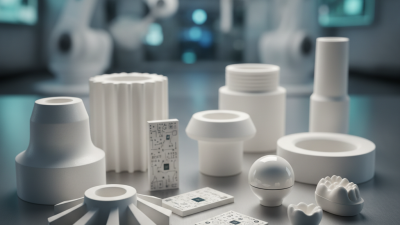
China’s alumina ceramics industry has grown from basic electrical insulators into a precise manufacturing field. Today, Alumina Ceramic Parts appear in semiconductor equipment, vacuum systems, medical devices, pumps, sensors, and high-temperature assemblies. Their value comes from more than hardness. Engineers also examine purity, dielectric strength, thermal stability, surface finish, and dimensional control.
W. David Kingery, a respected ceramic materials scientist, once observed, “Ceramics are materials with a very long history and a very promising future.” His statement remains relevant. Alumina can survive abrasive contact, electrical stress, and demanding heat cycles. However, it is not an ideal material for every design. It may fracture under sudden impact. Poor machining can also create hidden flaws.
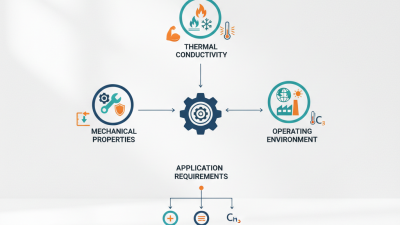
This guide reviews China’s top 10 Alumina Ceramic Parts manufacturers through practical and technical criteria. These include production experience, material grades, machining capability, quality systems, testing equipment, export performance, and customer support. The comparison considers both large factories and specialized suppliers. That matters because a large production line does not always guarantee better custom parts.
A reliable supplier should explain its alumina purity, such as 95%, 96%, or 99.5%. It should provide tolerances, density data, and inspection records. Ask about grinding marks. Ask about edge chipping, too. These small details can affect assembly performance.
No ranking is perfect. Supplier capabilities change. Product quality may also vary between batches. Therefore, readers should verify certifications, drawings, samples, and test reports before placing an order. This review offers a useful starting point, not a substitute for engineering judgment.
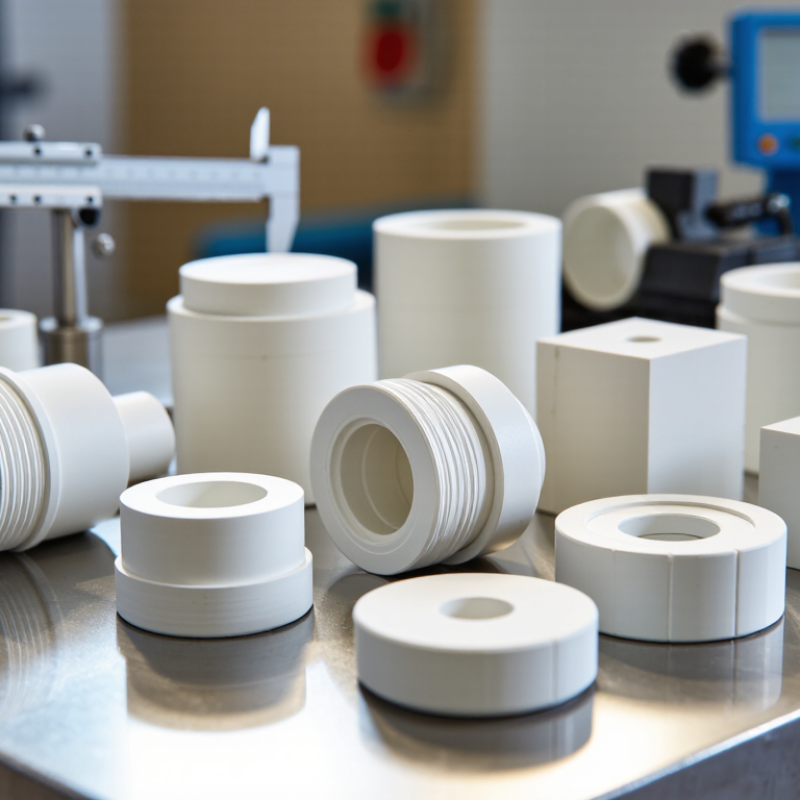
Alumina Ceramic Parts: 85–99.9% Purity Grades and Key Properties
China’s top alumina ceramic parts manufacturers commonly produce grades from 85% to 99.9% purity. Each grade changes performance, cost, and processing requirements. Lower-purity alumina often offers easier machining and practical electrical insulation. It suits brackets, wear guides, seals, and general industrial fixtures. Higher-purity grades provide better hardness, chemical resistance, thermal stability, and lower impurity migration. They are useful in vacuum equipment, semiconductor tools, medical components, and high-temperature assemblies.
In production, purity alone is not a magic score. Grain size, sintering control, porosity, surface finish, and dimensional tolerance also matter. A 99.9% component can still fail if edges chip or flatness is poorly controlled. Experienced manufacturers inspect shrinkage, density, dielectric strength, and thermal shock behavior. They should also provide test records and clarify whether values represent typical results or guaranteed limits. This distinction is easy to overlook.
Tips: Match purity to the working environment, not marketing language. Check temperature, load, chemicals, voltage, and cleaning methods. Ask for samples before approving large quantities. Test the actual geometry, because thin walls and sharp corners can expose weaknesses. I have seen designs over-specify purity while ignoring assembly stress. That mistake increases cost without improving service life.
How China’s Top 10 Manufacturers Compare by ISO 9001, Tolerances, and Capacity
China Top 10 Alumina Ceramic Parts Manufacturers
China’s leading alumina ceramic parts manufacturers differ sharply in quality systems, machining control, and production scale. ISO 9001 certification is a useful starting point, not final proof. Buyers should request the certificate scope, audit date, and process records. A valid system should connect material batches, firing data, inspection reports, and corrective actions.
Tolerance capability often separates experienced suppliers from ordinary workshops. Precision parts may require dimensional control within ±0.02 mm, while standard insulators allow wider limits. Manufacturers using diamond grinding, coordinate measuring machines, and controlled sintering can manage tighter specifications. However, ceramic shrinkage remains difficult to predict. Design changes may still be necessary.
Capacity also needs practical verification. A factory may report high monthly output but lack enough inspection staff or stable kiln space. Ask for recent production examples, lead-time records, and capacity during peak seasons. Small trial orders can reveal edge chipping, surface roughness, and packaging weaknesses. Look closely. Some suppliers communicate well but struggle with repeatability. Others produce consistent parts yet provide incomplete technical documents. A balanced comparison should weigh ISO 9001, tolerance data, equipment, inspection depth, and realistic capacity rather than relying on rankings alone.
Top 10 Chinese Alumina Ceramic Parts Manufacturers by Product Expertise
China’s top ten alumina ceramic parts manufacturers are best compared by product expertise, not factory size alone. The strongest suppliers often specialize in electrical insulators, semiconductor fixtures, wear plates, tubes, rings, and precision substrates. Their capabilities may include alumina grades from 95% to 99.9% purity. Each grade supports different needs, including strength, dielectric performance, or thermal stability. This range matters in demanding environments.
Some manufacturers focus on dry pressing for large, durable parts. Others use injection molding for complex shapes and thin walls. Precision machining supports holes, grooves, and tight dimensional requirements after sintering. Several suppliers also provide metallized surfaces for ceramic-to-metal assemblies. Their experience becomes visible through process control, not attractive catalogs. A catalog can look impressive.
Reliable evaluation should include material certificates, density records, dimensional inspection, and surface roughness data. Buyers should ask how suppliers manage shrinkage during sintering. This often affects assembly accuracy. Trial samples can reveal chipping, warping, or inconsistent finishes before volume production. My own view is cautious: no manufacturer is equally strong across every product category. The best choice depends on geometry, purity, operating temperature, tolerance, and expected service life. Some specifications may still need revision after testing.
Industrial Applications: 3–99.8% Alumina Parts for 1,600°C Service
China Top 10 Alumina Ceramic Parts Manufacturers
Industrial alumina parts cover a wide composition range, from 3% alumina bodies to 99.8% high-purity ceramics. This range affects strength, thermal shock, electrical insulation, and cost. High-purity parts support demanding furnace hardware, semiconductor fixtures, sensor tubes, and wear components near 1,600°C. However, alumina content alone does not guarantee service life. Grain size, porosity, forming pressure, and firing control matter equally.
The U.S. Geological Survey’s Mineral Commodity Summaries reports global alumina production at roughly 140 million metric tons annually in recent editions. That scale supports a mature raw-material supply chain, especially across China’s industrial ceramics sector. For buyers, manufacturer evaluation should include traceable batch records, dimensional inspection, thermal cycling data, and tested dielectric performance. Ask for results under realistic loading conditions. A polished datasheet is not enough.
Lower-alumina grades can suit kiln shelves, insulating supports, and general wear parts where moderate heat resistance is acceptable. Grades above 95% alumina offer better chemical stability and insulation. At 99.8%, purity becomes valuable for contamination-sensitive environments, but brittleness and machining expense may increase. I would not specify the highest grade automatically. Real furnace cycles can expose weaknesses that laboratory numbers hide. Small holes, sharp corners, and uneven wall thickness often fail first. Temperature is only part of the problem.
China Top 10 Alumina Ceramic Parts Manufacturers — Industrial Applications
Representative alumina content and typical maximum service-temperature ranges for industrial ceramic parts, covering approximately 3–99.8% alumina grades and applications up to 1,600°C. Values are engineering reference points and may vary with atmosphere, thermal cycling, geometry, and firing conditions.
Alumina content values use representative midpoints of common commercial ranges; temperature values indicate typical upper service references rather than guaranteed operating limits.
Supplier Selection Using Density Above 3.7 g/cm³ and Low Water Absorption
China Top 10 Alumina Ceramic Parts Manufacturers
Choosing an alumina ceramic parts supplier requires more than checking a catalog. Density above 3.7 g/cm³ usually indicates a well-sintered ceramic body with limited internal porosity. This matters for seals, insulators, wear plates, and precision guides. Low water absorption supports better resistance to moisture, chemicals, and repeated cleaning. Ask suppliers for measured density and absorption results from the same production lot. Independent laboratory testing is more reliable than general product claims. The Archimedes method can measure density, while vacuum saturation helps reveal hidden pores. Specifications alone are not enough.
Tips: Request three samples from different batches. Check dimensions, surface chips, color consistency, and absorption after drying. Review the test date, sample size, and testing method. A certificate without traceable data deserves careful questioning.
Experienced buyers should also examine sintering control, machining tolerance, and inspection records. A density value above 3.7 g/cm³ does not automatically prove long service life. Grain structure, alumina percentage, additives, and thermal history also affect performance. Ask whether the supplier can provide material composition and dimensional reports. For critical parts, test a sample after thermal cycling or chemical exposure. This step may feel excessive, but field failures cost more. I have seen visually clean parts fail because their edges contained small machining cracks. Some evaluations are imperfect, too. Moisture, weighing errors, and poor sample preparation can distort results. Reliable suppliers explain these limits instead of hiding them.