How to Choose the Best Silicon Carbide Seal for Your Application
Choosing the right Silicon Carbide Seal for your application is critical. These seals stand out for their durability. Industry reports indicate that Silicon Carbide materials can withstand extreme temperatures and corrosion. Their reliability makes them a favorite in sectors like aerospace and chemical processing.
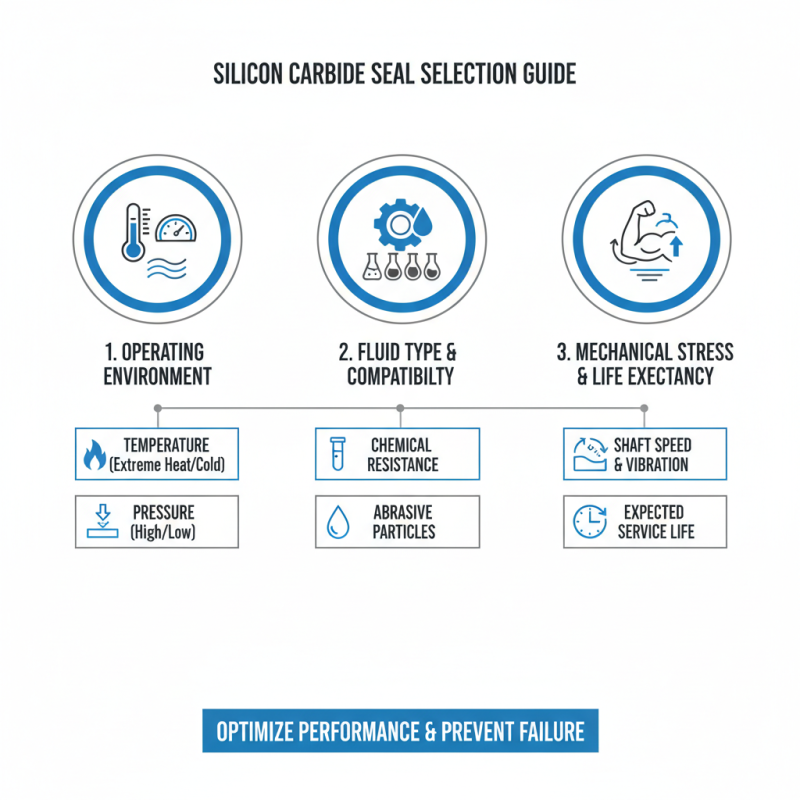
However, selecting the right Silicon Carbide Seal requires careful consideration. Matching the seal to the operating environment is essential. For example, a high-pressure application may need a specific design. Data shows that improper seal choices can lead to failures, costing businesses significantly in repairs and downtime.
Understanding the specific needs of your operation is vital. Factors such as load, speed, and temperature are all crucial. A mismatch can result in reduced efficiency. Real-world scenarios demonstrate that even minor deviations in specifications can lead to serious complications. Reflecting on these considerations may prevent costly mistakes in the future.

Understanding Silicon Carbide Seal Applications and Benefits
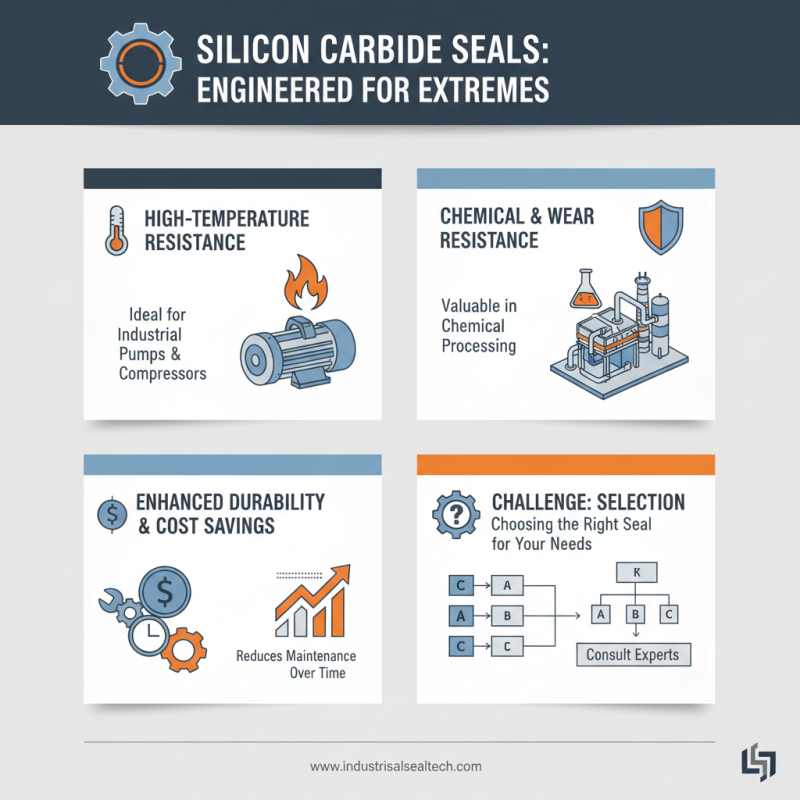
Silicon carbide seals are widely used in various applications due to their remarkable properties. They excel in high-temperature environments. This makes them ideal for industrial pumps and compressors. Their resistance to wear and corrosion is particularly valuable in chemical processing. The durability of silicon carbide reduces maintenance costs over time. However, choosing the right seal for your specific needs can be challenging.
Understanding the benefits is essential. Silicon carbide seals offer excellent mechanical strength and thermal conductivity. They can withstand harsh conditions while maintaining performance. Yet, not all applications require the same features. Some may prioritize chemical resistance over temperature tolerance. It's crucial to analyze your working environment thoroughly. Inadequate evaluation may lead to premature seal failure. Testing different seal types might be necessary to find the best fit.
Every application is unique, prompting a deeper investigation. If a seal fails, the entire system may be compromised. Hence, reflecting on material choices is vital. Communication with suppliers can provide insights into optimal configurations. Balancing performance and cost often leads to the best results. Sometimes, compromises must be made.
Evaluating Material Properties of Silicon Carbide for Seal Performance
When evaluating the material properties of silicon carbide for seal performance, there are critical aspects to consider. Silicon carbide is known for its hardness and resistance to wear. This makes it suitable for high-temperature and high-pressure environments. Its low thermal expansion is essential, as it helps maintain the integrity of seals under varying conditions.
However, not all silicon carbide materials are created equal. The purity, crystal structure, and processing methods can greatly influence performance. For example, impurities can lead to fractures under stress, while different structures may impact thermal conductivity. It's important to reflect on these variables when choosing the best option for specific applications.
In many cases, the ideal seal might not be a one-size-fits-all solution. Testing various compositions and configurations may reveal unexpected results. You may find that a seemingly minor detail can make a significant difference in durability and efficiency. Gathering data through trial and error helps refine the selection. Always remain open to adjustments and improvements in your approach.
How to Choose the Best Silicon Carbide Seal for Your Application - Evaluating Material Properties of Silicon Carbide for Seal Performance
| Material Property |
Value |
Impact on Seal Performance |
| Hardness |
9.5 Mohr |
High hardness enhances wear resistance. |
| Thermal Conductivity |
150 W/m·K |
Efficient heat dissipation prevents overheating. |
| Chemical Resistance |
Excellent |
Resistant to most acids and alkalis, improving longevity. |
| Compressive Strength |
400 MPa |
Strong under pressure, ideal for high-load applications. |
| Thermal Expansion Coefficient |
4.0 x 10^-6 /°C |
Minimal expansion reduces stress in seal applications. |
Compatibility and Performance in Different Operating Conditions
Selecting the right silicon carbide seal for your application requires an understanding of operating conditions. Performance is crucial. Different environments demand unique characteristics from seals. Silicon carbide can withstand high temperatures and corrosive substances, yet performance may vary.
In high-temperature applications, seals must maintain integrity. Deformation could occur if not chosen wisely. In harsher environments, consider the chemical compatibility carefully. Not all silicon carbide seals resist every chemical. Overlooking this can lead to seal failure.
Testing under actual operating conditions is vital. Lab tests do not always replicate real-world scenarios. Assessing how seals perform in practice can reveal weaknesses. Regular evaluations help in determining long-term reliability. Identifying these factors can enhance operational efficiency in the long run.
Tips for Maintenance and Longevity of Silicon Carbide Seals
Silicon carbide seals are vital for many applications. Proper maintenance can extend their lifespan significantly. Regular inspections should be done to check for wear and tear. Small cracks or chips can lead to bigger issues later on. A visual check often reveals a lot.
Clean the seals regularly to prevent debris build-up. Debris can cause abrasion, which wears down the seal faster. Use appropriate cleaning agents. Harsh chemicals might damage the seal material. Keep the operating environment stable. Extreme temperatures can affect performance.
Monitor the lubrication closely. Insufficient lubrication leads to increased friction. Too much lubricant can attract dirt. Finding the right balance is crucial. Record maintenance dates and outcomes. This helps in identifying patterns of wear. If you notice frequent failures, revisit your choice. It might be time for a different solution.