How to Choose the Right Alumina Ceramic Plate for Your Needs?
Choosing the right Alumina Ceramic Plate can be challenging. Many industries rely on this material for its durability and thermal resistance. According to a report by Market Research Future, the global market for alumina ceramics is expected to reach $3 billion by 2027.
Experts emphasize the importance of making informed selections. Dr. Lisa Huang, a materials scientist, states, “Choosing the right Alumina Ceramic Plate ensures optimal performance in applications.” Understanding the specific needs of your project is crucial. Different thicknesses and grades exist, each serving distinct purposes.
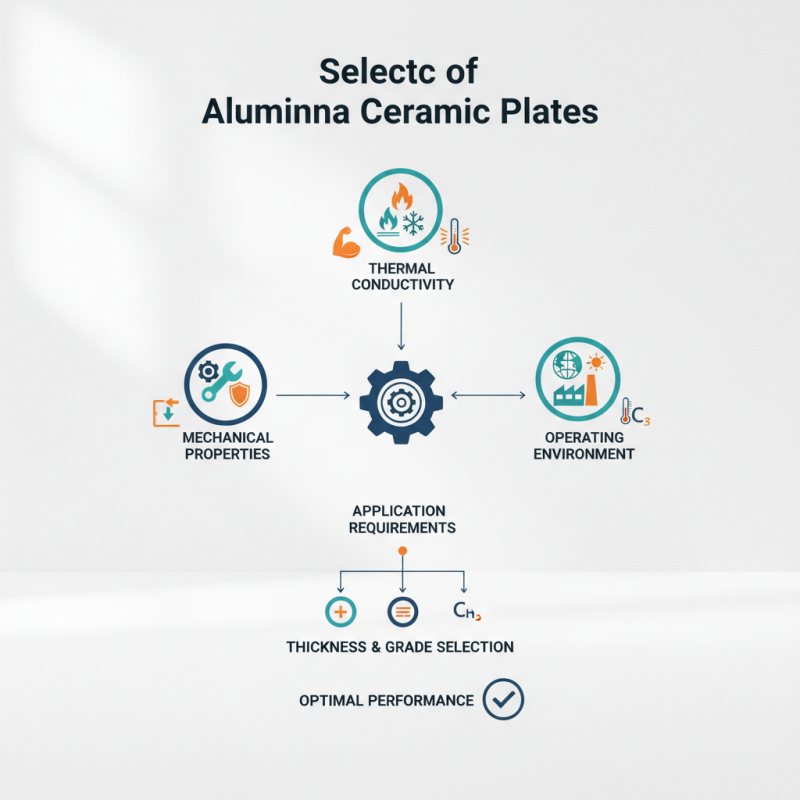
Take time to reflect on your application requirements. Consider mechanical properties, thermal conductivity, and operating environment. Not every plate fits every need. Overlooking these details can result in failure or inefficiency. Thus, choosing the right Alumina Ceramic Plate is more than a simple decision; it’s essential for success in the long run.
Understanding the Composition and Properties of Alumina Ceramics
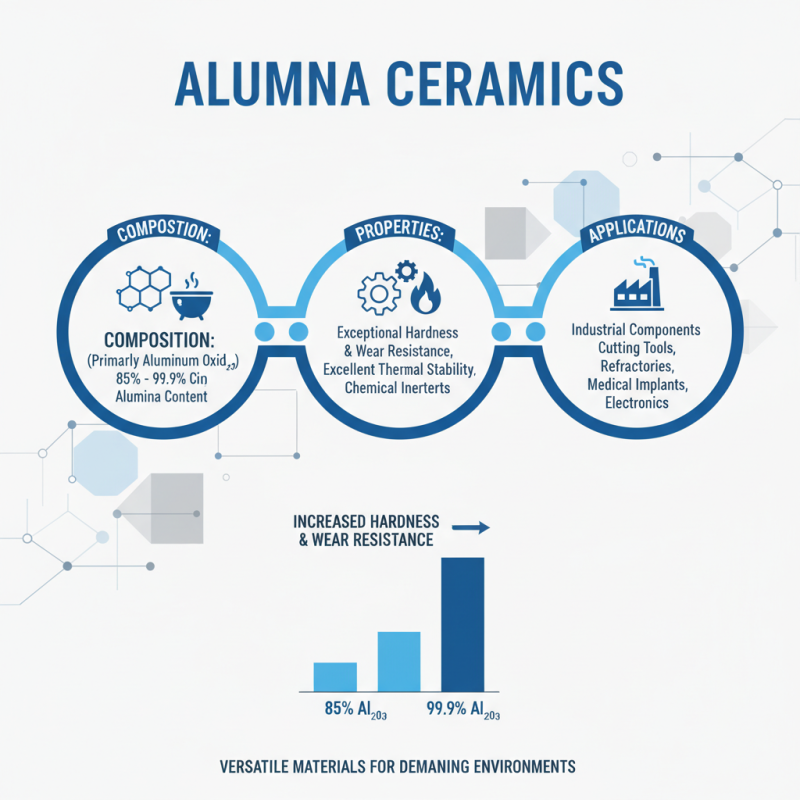
Alumina ceramics are known for their versatility. They primarily consist of aluminum oxide, which gives them impressive mechanical and thermal properties. The percentage of alumina in these ceramics can range from 85% to 99.9%. Higher alumina content typically results in better hardness and wear resistance. This makes them ideal for various applications, especially in industrial settings.
The production process also plays a crucial role in the properties of alumina ceramics. Processing techniques can influence their density, porosity, and surface finish. For instance, variations in sintering temperatures lead to differences in strength and thermal stability. When selecting an alumina ceramic plate, consider the intended application. The right choice can enhance performance and prolong the lifespan of the materials used.
Despite their strengths, alumina ceramics aren't perfect. They can be brittle and prone to cracking under certain conditions. Understanding these drawbacks is essential. It helps in selecting the right grade for specific needs. Not every application demands the highest grade. Sometimes, a lower-grade ceramic may perform adequately while being cost-effective.
Key Factors Influencing the Selection of Alumina Ceramic Plates
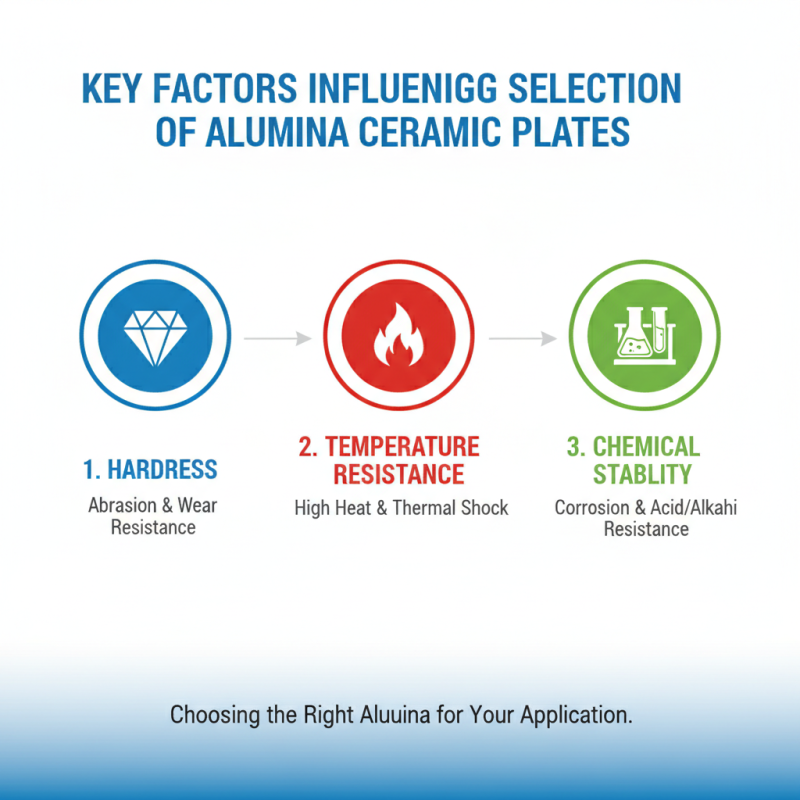
Choosing the right alumina ceramic plate can be challenging. Different applications require different properties. The most critical factors are hardness, temperature resistance, and chemical stability.
Hardness is essential for wear resistance. In abrasive environments, a harder plate will last longer. But don’t overlook traction. Some applications may need a balance between hardness and grip. Temperature resistance is another crucial factor. High temperatures can alter the plate’s structure. Select a material that meets your thermal requirements without compromising performance.
Chemical stability matters too. Not all alumina plates resist corrosion equally. Assess the specific chemicals your plates will encounter. This can prevent costly failures. Also, consider the thickness of the plate. Thicker plates might offer better durability, but they can be heavier. Make sure you weigh the pros and cons carefully. Each choice may lead to unforeseen complications.
Evaluating the Application-Specific Requirements for Alumina Plates
When choosing alumina ceramic plates, understanding application-specific requirements is essential. Different industries demand varied properties from ceramics. For example, in the electronics sector, dielectric strength and thermal conductivity are crucial. A study by the International Journal of Ceramic Engineering reported that alumina with over 99% purity achieves a dielectric strength exceeding 20 kV/mm. This makes it suitable for high-voltage applications.
In contrast, the biomedical field requires alumina plates to have biocompatibility and corrosion resistance. According to a report from Materials Science and Engineering, alumina's mechanical strength and wear resistance allow it to be used in implants and dental applications. However, manufacturing variances can lead to inconsistency in these critical properties. Thus, careful evaluation of the supply chain is necessary.
Cost is often a limiting factor. Pricing can vary greatly based on thickness, size, and purity level. Some manufacturers offer cheaper options, but they might compromise on quality and performance. Choosing the right alumina plate shouldn't solely rely on cost. Make sure to weigh durability, reliability, and specific application needs. Ultimately, detailed knowledge and understanding of your industry's demands will guide the right choice in alumina ceramic plates.
Comparing Alumina Grades Based on Purity and Performance Metrics
When selecting an alumina ceramic plate, understanding the different grades is critical. Alumina comes in varying purities, typically ranging from 85% to 99.9%. Higher purity grades often deliver better performance. This includes enhanced wear resistance and thermal stability. However, higher purity may also mean a higher cost. It’s essential to balance budget with performance needs.
Specific applications demand specific properties. For example, a manufacturing environment might prioritize toughness and hardness. Here, 99% alumina is often the choice. In contrast, an application requiring high electrical resistance might lean towards 96% alumina. Yet, opting for the highest purity isn’t always the best. Sometimes, lower grades suffice for less demanding environments.
Reflect on your specific use case. Are you prioritizing cost over longevity? This could lead to frequent replacements. Consider the trade-offs between initial price and long-term performance. Ultimately, knowing which alumina grade aligns with your needs can save time and resources. It's not just about choosing a product; it's about making an informed decision.
How to Choose the Right Alumina Ceramic Plate for Your Needs? - Comparing Alumina Grades Based on Purity and Performance Metrics
| Alumina Grade |
Purity (%) |
Flexural Strength (MPa) |
Application |
| 99.5% Alumina |
99.5 |
350 |
High-Temperature Insulation |
| 99.7% Alumina |
99.7 |
400 |
Electrical Insulators |
| 95% Alumina |
95.0 |
280 |
Wear Resistance Components |
| 99.9% Alumina |
99.9 |
450 |
Research and Development |
| 98% Alumina |
98.0 |
300 |
General Applications |
Assessing Cost-Effectiveness and Supplier Reliability in Alumina Purchase
When selecting alumina ceramic plates, cost-effectiveness and supplier reliability are crucial. Evaluate the price per unit closely. Sometimes, lower prices can indicate inferior quality. Investigate supplier backgrounds. A reliable supplier often has solid experience.
Tips: Request samples before purchasing. Testing these samples can ensure you acquire the right quality. Don’t rush this step; it may save money in the long run.
Assess bulk purchasing options. Often, buying in larger quantities reduces costs per plate. However, consider storage and inventory management. Too much inventory can lead to waste if the wrong choice is made.
Tips: Create a checklist of your requirements. This list should include desired dimensions, properties, and application specifics. It will help you stay focused and avoid impulsive buys.