2026 How to Choose the Best Engineering Ceramics for Your Projects?
In the evolving landscape of industrial applications, the choice of Engineering Ceramics plays a critical role. Recent studies indicate that the global engineering ceramics market is projected to reach $15 billion by 2026. This growth highlights the increasing reliance on these materials for various applications, from aerospace to biomedical devices. With their unique properties, such as high hardness and thermal stability, Engineering Ceramics are essential in meeting demanding engineering requirements.
However, selecting the right type of Engineering Ceramics can be daunting. Each ceramic material possesses distinct characteristics that cater to specific needs. For example, alumina is known for its toughness, while zirconia excels in wear resistance. Industry professionals often face challenges when balancing performance and cost-effectiveness. The complexity of these materials requires thorough insight and analysis.
The importance of making informed choices cannot be overstated. A poorly chosen ceramic can lead to project delays or performance failures. As professionals navigate through diverse options, understanding the intricacies of Engineering Ceramics becomes paramount. As we move closer to 2026, success will depend on the ability to recognize these nuances and apply them effectively in project planning and execution.

Understanding Engineering Ceramics: Properties and Applications
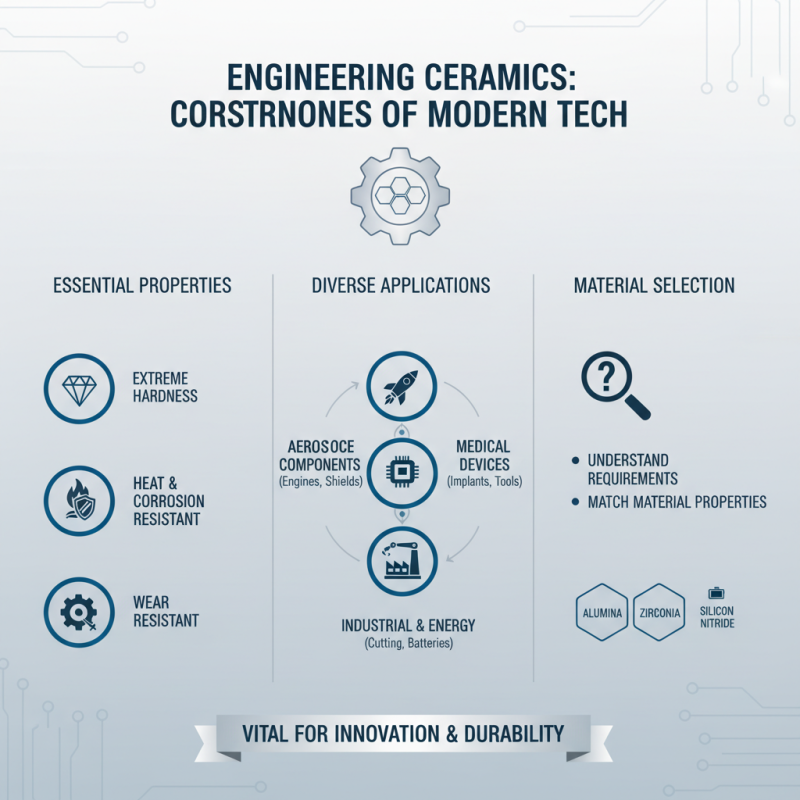
Engineering ceramics are vital in modern manufacturing and technology. They are known for their hardness and resistance to heat and wear. Applications span from aerospace components to medical devices. Understanding their properties helps in selecting the right type.
Different ceramics exhibit unique characteristics. For instance, alumina offers high strength while zirconia displays toughness. These materials can withstand extreme conditions. However, they can be brittle. Thus, careful consideration is required to avoid failure during usage. Some engineers may overlook this aspect, leading to unexpected results.
Another point to ponder is the compatibility of ceramics with other materials. They often require specific bonding methods. This might complicate the design process. Sometimes, engineers may not fully appreciate the implications of using ceramics. It is crucial to reflect on these factors when making decisions.
Key Factors for Selecting Engineering Ceramics in Projects
When selecting engineering ceramics for projects, several key factors come into play. The application purpose is paramount. Some ceramics excel under high temperatures, while others withstand abrasion better. For instance, silicon carbide shows remarkable hardness, making it ideal for cutting tools. According to a recent report, around 25% of ceramic materials are used in industrial tools due to their wear resistance.
Another crucial element is the thermal stability of ceramics. Certain projects demand materials that can endure extreme heat. ZrO2 (zirconium dioxide) often performs well in thermal applications. However, it also comes with challenges, such as cost and brittleness. Understanding the trade-offs is essential; the right choice isn't always straightforward.
Manufacturing methods also impact your selection. Traditional sintering sometimes results in porosity, affecting strength. Emerging technologies, like additive manufacturing, offer advantages but may pose new challenges in quality control. These methods can lead to variability, which is something that needs addressing in design stages. A comprehensive analysis of the specific needs will often reveal the best options available.
Comparative Analysis of Different Types of Engineering Ceramics
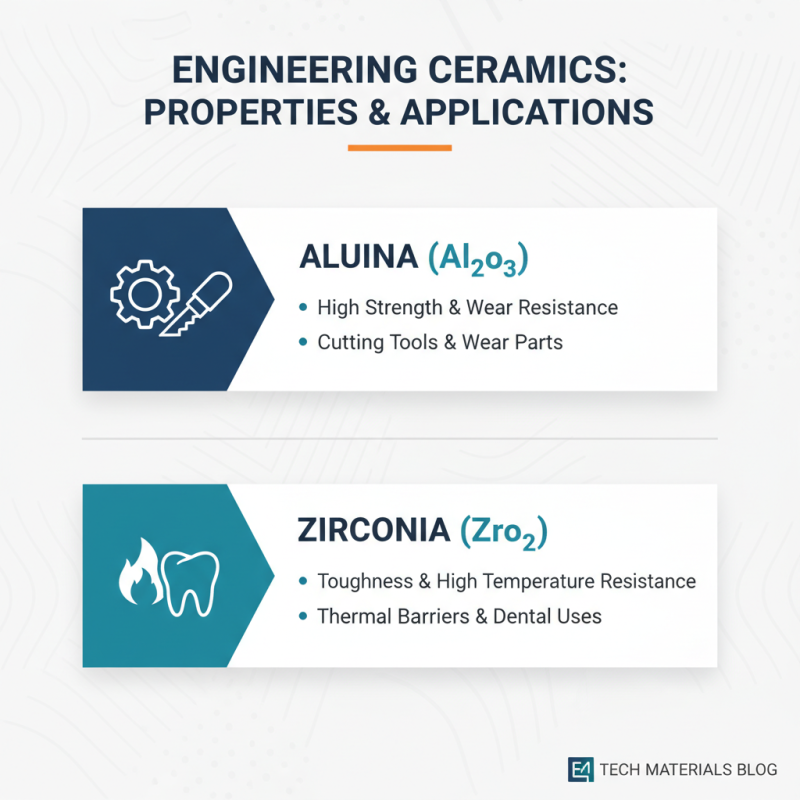
When selecting engineering ceramics, understanding their unique properties is essential. Different types have specific applications that may suit your project needs. For example, alumina offers high strength and wear resistance. This makes it a solid choice for cutting tools and wear parts. Zirconia, alternatively, is tough and can withstand high temperatures. It is often used in thermal barriers and dental applications.
Comparing these materials highlights their distinct advantages. Silicon nitride, for instance, excels in high-stress situations. This ceramic can endure shock and vibration, which is critical in aerospace applications. However, its brittleness can be a drawback if not handled properly. Each type of ceramic comes with its own challenges. The trade-offs can be significant, and understanding them is crucial before making a choice.
In addition to their mechanical properties, consider the manufacturing processes involved. Some ceramics require specialized techniques. The cost can vary as well. While some materials might seem perfect, their production complexities may impede efficiency. The balance between performance and practicality often demands careful reflection. It's this nuanced understanding that leads to better material selection for engineering projects.
Industry Standards and Certifications for Engineering Ceramics
When selecting engineering ceramics, understanding industry standards and certifications is crucial. These guidelines ensure the ceramics' quality and performance. Different sectors, such as aerospace and healthcare, have specific requirements that materials must meet. Compliance with these standards can determine a project's success.
Certifications like ISO 9001 reflect an organization's commitment to quality management. They indicate that the manufacturing processes are reliable and consistent. Also, industry-specific certifications might focus on temperature resistance, durability, and biocompatibility. However, it's important to critically evaluate how these certifications align with your project needs. Not every certified product may be suitable.
Additionally, consider testing methods used for certification. Some tests might be outdated or not relevant to your specific circumstances. Understanding what these tests entail can impact the choice you make. Sometimes, a high certification doesn’t guarantee optimal performance in real-world applications. Balancing certifications with practical experience is essential in selecting the best ceramics for your projects.
2026 How to Choose the Best Engineering Ceramics for Your Projects?
This bar chart illustrates the properties of various engineering ceramics based on industry standards and certifications. The data highlights important attributes such as hardness, thermal stability, and wear resistance relevant for material selection in engineering projects.
Cost-Benefit Considerations in Engineering Ceramic Selection
Choosing the right engineering ceramics for your project can be challenging. One crucial factor is the cost-benefit analysis. Evaluating the initial costs against performance longevity is vital. A cheaper material may save money upfront but might lead to higher costs down the line due to poor durability.
When assessing materials, consider the specific application. Some ceramics excel under extreme temperatures but may not perform well in other environments. Be realistic about your project needs. Sometimes, the most expensive option can offer the best long-term value, saving money on replacements and repairs.
Tips:
Investigate potential suppliers for their pricing structures.
Compare the lifecycle costs, not just the purchase price.
Examine user feedback on performance over time.
Reflect on your choices. Sometimes, the focus on cost can overshadow the importance of quality. Seek a balance that respects both the budget and the project's demands. Make calculated decisions based on long-term performance rather than just immediate savings.