10 Essential Tips for Choosing Silicon Carbide Seal Effectively?
Choosing the right Silicon Carbide Seal can greatly impact the performance of your machinery. A good seal ensures efficiency and reliability. However, the selection process can be challenging due to various factors involved.
It's vital to consider the specific application in which the Silicon Carbide Seal will be used. Different environments demand different properties. For instance, high temperatures and corrosive substances can affect the performance of seals. Understanding these factors is crucial in making the right choice.
Moreover, not all Silicon Carbide Seals are created equal. Quality can vary significantly between manufacturers. This disparity can lead to unexpected failures if proper care isn't taken. Each seal has its strengths and weaknesses. Reflecting on these aspects can help in achieving the best results.
Key Factors to Consider When Selecting Silicon Carbide Seals
When selecting silicon carbide seals, several key factors come into play. Material quality is paramount. Look for seals that meet industry standards. Durability is essential as well. Silicon carbide is known for its hardness and wear resistance, making it a reliable choice for harsh environments.
Compatibility with the specific application is another critical consideration. Ensure that the seal can work with the fluids or gases involved. Temperature ranges should be assessed too. Seals must withstand extreme conditions without degrading. Testing and validation of these seals can sometimes be overlooked, which can lead to premature failure.
Installation practices matter greatly. Improper installation can compromise the seal's effectiveness. Make sure to follow guidelines strictly. Lastly, keep an eye on costs. While cheaper options may seem attractive, they might not offer the same longevity. Balancing upfront costs with long-term performance is a challenge that requires careful thought.
10 Essential Tips for Choosing Silicon Carbide Seal Effectively
| Tip Number |
Key Consideration |
Description |
| 1 |
Material Quality |
Ensure that the silicon carbide used is of high purity and quality to enhance durability. |
| 2 |
Temperature Resistance |
Select seals that can withstand the specific temperature range of your application. |
| 3 |
Chemical Compatibility |
Check the compatibility of the seal with the fluids or gases it will be exposed to. |
| 4 |
Seal Design |
Consider the design that best suits your application, such as O-rings or custom shapes. |
| 5 |
Size & Dimensions |
Ensure accurate measurements for proper fit and optimal performance. |
| 6 |
Pressure Rating |
Select seals that can handle the operational pressure of your system. |
| 7 |
Installation Method |
Understand the installation requirements, which can vary by design. |
| 8 |
Lifecycle and Maintenance |
Evaluate the expected lifespan and maintenance needs of the seal. |
| 9 |
Cost Efficiency |
Balance between quality and cost to find the most cost-effective solution. |
| 10 |
Supplier Reputation |
Consider the reliability and reputation of the supplier to ensure quality products. |
Understanding the Different Types of Silicon Carbide Materials
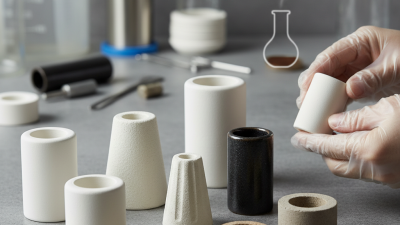
When selecting silicon carbide (SiC) materials for seals, understanding the types available is crucial. SiC comes in various forms: sintered, reaction-bonded, and sub-micron. Each type has distinct properties that suit different applications. Sintered SiC offers great hardness and thermal stability, making it ideal for high-pressure environments. It is often used in pumps and valves.
Reaction-bonded SiC is another option. This type combines silicon with carbon, creating a composite that can resist oxidation. It is more porous than sintered SiC, which may lead to lower wear resistance in some situations. Sub-micron SiC, characterized by extremely fine particles, provides excellent wear resistance. It's often used in more specialized applications but can be costly.
Choosing the right type is not always straightforward. Factors like temperature, pressure, and media should guide decisions. Misjudgment can lead to premature failure. Sometimes, users may overlook the importance of surface finish. A rough surface can compromise the seal’s effectiveness. Evaluating these elements will help in making a more informed choice.
Properties of Different Types of Silicon Carbide Materials
Evaluating Seal Design and Configuration for Performance
Choosing the right silicon carbide seal is critical for optimal performance in various applications. Seal design and configuration play a crucial role in efficiency. Studies indicate that a well-designed seal can enhance performance by over 30%. Engineers must consider factors such as pressure, temperature, and fluid dynamics when evaluating seal configurations.
However, not all seals perform equally. For instance, slight variations in geometry can lead to significant leaks or failures. An analysis from an industry report suggests that 25% of seal malfunctions stem from design flaws. Engineers need to address these potential pitfalls to ensure reliability. Selection processes often overlook subtle characteristics, such as surface finish and material compatibility, which can impact longevity and operation.
In challenging environments, the choice of materials offers both opportunity and risk. While silicon carbide presents exceptional hardness and wear resistance, its brittleness may lead to unexpected failures. A balanced approach that factors in these design nuances is essential for creating seals that not only perform well but also endure the test of time. Adapting to specific operational requirements can significantly improve overall seal effectiveness.
Assessing Environmental Conditions and Application Requirements
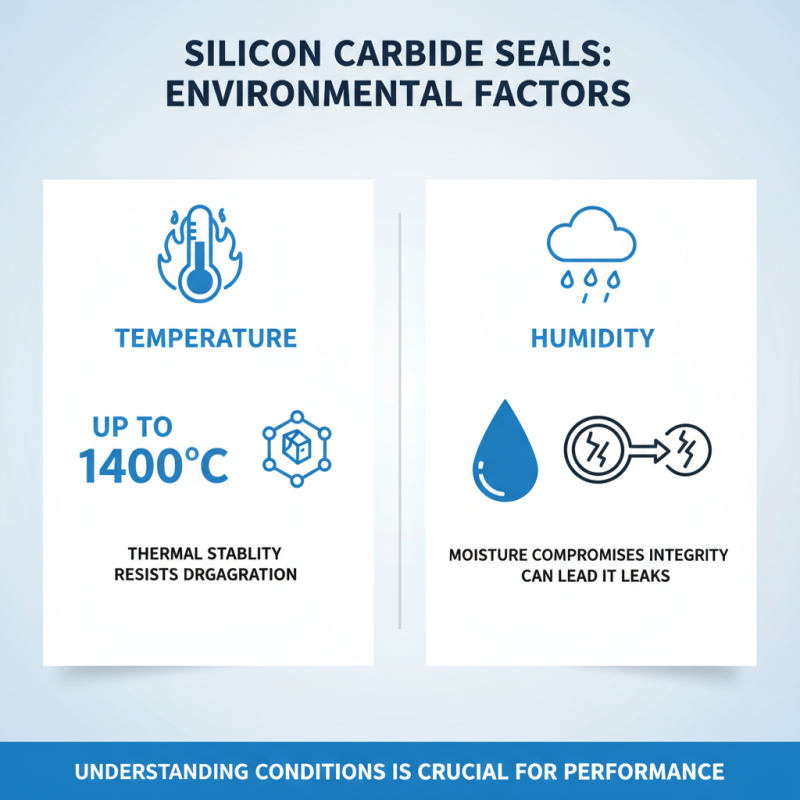
When selecting silicon carbide seals, understanding the environmental conditions is crucial. Temperature and humidity levels can greatly affect seal performance. For example, high temperatures can lead to thermal degradation. Studies show that silicon carbide maintains stability in temperatures up to 1400°C. However, in humid environments, moisture can compromise seal integrity, leading to unwanted leaks.
Application requirements also play a significant role. Industries like energy and manufacturing have specific needs. In high-pressure situations, users often overlook the importance of proper sealing materials. This oversight can result in catastrophic failures. A recent industry report indicates that improper seal selection leads to 30% of operational downtime. This statistic reminds us to prioritize compatibility with the intended application.
Assessing both environmental conditions and application requirements can be challenging. The complexities of different settings often complicate decision-making. Engineers must weigh various factors, including chemical exposure and mechanical loads. Using a systematic approach, while recognizing the limits of available data, is essential. By doing this, performance expectations can be better managed.
Importance of Compatibility with Other Materials and Fluids
Choosing the right silicon carbide seal requires careful consideration of compatibility with other materials and fluids. Poor compatibility can lead to seal failures. For example, certain fluids can cause reactions that weaken the seal. It's crucial to know what materials the seal will encounter.
Understanding the chemicals involved is vital. Test various fluid interactions in a controlled setting. Make sure no adverse reactions occur between the seal and the fluid. It’s also wise to consider the materials of the surrounding components. Mismatched materials can create issues, such as corrosion or swelling.
When selecting silicon carbide seals, pay attention to operating conditions. High temperatures can alter both materials and fluids. Evaluate the specific conditions where the seal will operate. This will help avoid unexpected failures. Compatibility involves more than just a checklist; often it requires real-world test scenarios. Engaging experts in the field can provide insights that are crucial. Do not hesitate to ask for advice when in doubt.