Inquiry
Form loading...

Top 10 Uses of Alumina Ceramic Parts for Global Buyers?

Alumina Ceramic Parts play a vital role in various industries due to their exceptional properties. According to a report by MarketsandMarkets, the global ceramic materials market is projected to reach $194.7 billion by 2025, emphasizing the rising demand for advanced materials like alumina ceramics. These components are renowned for their durability, high resistance to corrosion, and excellent electrical insulation properties.

In the manufacturing and electronics sectors, Alumina Ceramic Parts are essential. Their ability to withstand extreme temperatures and harsh environments makes them ideal for applications involving heat management and insulation. For instance, companies in the aerospace and automotive industries increasingly utilize these parts to enhance performance and reliability. However, as demand grows, there is a need for sustainable sourcing and production processes.

Despite their many advantages, challenges exist. The cost of high-purity alumina can be prohibitive, affecting the overall feasibility of projects. Additionally, the accuracy in fabrication can pose difficulties, requiring skilled labor and advanced technology. As industries continue to expand, the focus on refining manufacturing processes is crucial for future advancements in Alumina Ceramic Parts.
Top 10 Uses of Alumina Ceramic Parts for Global Buyers?

Top Applications of Alumina Ceramics in Electronics and Insulation

Alumina ceramics play a vital role in electronics and insulation applications. Their high electrical resistivity is essential for various electronic components. These materials can withstand significant heat without degrading, which is crucial in high-temperature environments.

One prominent use of alumina ceramics is in insulating substrates for electronic devices. They serve as reliable barriers between circuits, preventing short circuits and ensuring safety. Additionally, they are used in insulators for power transmission lines. These insulators maintain stability even under adverse weather conditions.

The durability of alumina ceramics is noteworthy, but challenges remain. Manufacturing imperfections can affect their performance. It is essential to assess each application carefully. The balance between performance and cost is also a significant consideration for buyers. Understanding the specific needs of projects can lead to more informed choices.

Role of Alumina Ceramic Parts in Aerospace and Automotive Industries

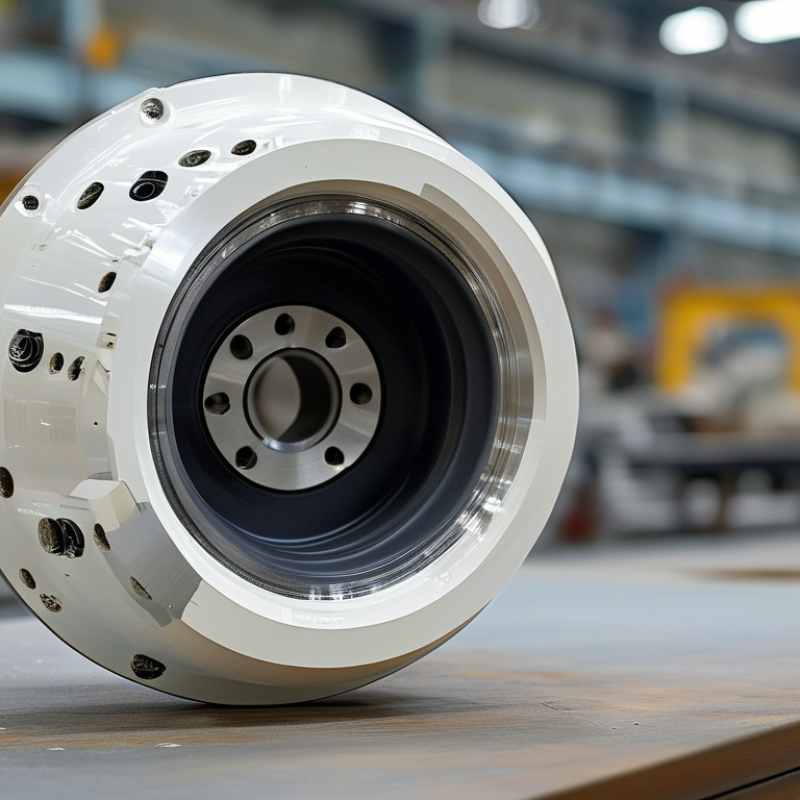
Alumina ceramic parts are gaining traction in aerospace and automotive industries. These materials are lightweight yet strong. In aircraft, they offer exceptional thermal resistance. This property is vital in high-speed flight conditions. Engineers appreciate alumina’s ability to withstand extreme temperatures without deforming.

In automotive applications, alumina ceramics help reduce weight. Lighter vehicles typically have better fuel efficiency. They also resist wear and corrosion, which is essential for long-lasting components. For instance, alumina can be used in spark plugs. This not only enhances performance but also improves reliability.

Despite the advantages, processing alumina ceramics can be challenging. Experienced manufacturers often face issues like cracking during formation. This requires continuous adaptation and innovation. Understanding the balance between durability and manufacturability is crucial. Industry players must address these concerns while advancing technology.

Top 10 Uses of Alumina Ceramic Parts in Aerospace and Automotive Industries

Alumina Ceramics in Medical Devices: A Growing Market Trend

Alumina ceramics are transforming the medical device industry, marking a significant trend in healthcare technology. Their excellent biocompatibility and wear resistance make them ideal for various medical applications. According to a recent market research report, the global alumina ceramics market in healthcare is expected to reach $1.2 billion by 2026, growing at a CAGR of 8.5% from 2021. These figures reflect the increasing adoption of advanced materials in medical device manufacturing.

In orthopedic implants and dental applications, alumina ceramics are becoming increasingly popular. They provide durability and can withstand the mechanical stresses of daily use. Their inert nature ensures minimal reaction with biological tissues. However, the production processes must be refined to minimize imperfections, which can impact performance. Continual feedback in manufacturing can address these challenges.

**Tip:** When selecting alumina ceramic parts for medical devices, assess mechanical properties and biocompatibility thoroughly. The right match can enhance device longevity.

Overall, the growing focus on patient safety and effective healthcare solutions will drive innovation in alumina ceramics. Manufacturers must stay updated with technological advancements to remain competitive in this evolving market.

**Tip:** Regularly evaluate advancements in alumina technology to optimize device performance and patient outcomes.

Impact of Alumina Ceramic Components in Manufacturing and Machinery

Alumina ceramic components play a crucial role in manufacturing and machinery. Their high hardness and excellent thermal stability make them suitable for various applications. These properties allow them to resist wear and reduce maintenance needs. The result is a more efficient production process with lower operational costs.

In industries such as aerospace and automotive, alumina ceramics are often used in critical components. They can withstand extreme conditions while maintaining structural integrity. For example, their use in cutting tools significantly enhances cutting performance. However, the upfront cost might deter some buyers. Evaluating long-term benefits versus initial expenses is essential.

Additionally, alumina ceramics can sometimes exhibit brittleness. This presents a challenge during manufacturing. Proper handling and design considerations are vital. Despite these challenges, the benefits of using alumina ceramics often outweigh potential drawbacks. As industries evolve, their importance in advanced applications continues to grow.

Top 10 Uses of Alumina Ceramic Parts for Global Buyers

Application Description Benefits Typical Industries
Electrical Insulators Used in high-voltage applications to prevent electric current from passing through. High dielectric strength, thermal stability. Electronics, Power Generation
Wear-resistant Parts Components for machinery that experience high abrasion. Increased lifespan, reduced maintenance costs. Mining, Construction
Surgical Instruments Used in medical devices due to biocompatibility. High sterilizability, durability. Medical, Healthcare
Cutting Tools Insert materials in various machining processes. Enhanced hardness, reduced friction. Manufacturing, Aerospace
Heating Elements Used in furnaces and kilns. High thermal conductivity, resistance to thermal shock. Ceramics, Manufacturing
Optical Components Lens and mirror substrates in high-precision optics. Low optical distortion, high clarity. Optics, Telecommunications
Seals and Gaskets Used for sealing applications in various equipment. Chemical resistance, durability. Aerospace, Automotive
Bio-ceramic Implants Implants for dental or orthopedic procedures. Compatibility with biological systems. Medical, Dental
Electrical Connectors Components that provide connectivity in electronic systems. High thermal and electrical resistance. Electronics, Telecommunication

Advancements in Alumina Ceramics for Wear-Resistant Applications

Alumina ceramics are increasingly recognized for their exceptional wear-resistant properties. This makes them suitable for a variety of industrial applications. The advancements in alumina ceramics have led to improved durability and performance, particularly in harsh environments. These materials can withstand extreme temperatures and corrosion, making them ideal for components in mining, manufacturing, and aerospace.

Not all alumina ceramics meet the necessary standards. Quality can vary based on production methods. Some manufacturers may use subpar materials, which compromise wear resistance. Prospective buyers should conduct thorough analyses of supplier credentials. Reviewing technical data sheets can provide insights into alumina's grade, purity, and application suitability.

Moreover, innovation in the field continues to evolve. Researchers are exploring new processing techniques that enhance the mechanical properties of alumina ceramics. However, not all advancements translate into practical applications. Some concepts may require extensive testing before they reach commercial viability. Buyers must stay informed on these developments to make educated decisions. This is essential as the market for wear-resistant materials grows.